Table of Contents
- Why Cleaning Matters in Modern Workplaces
- How Clean Spaces Keep Germs and Allergens at Bay
- Steps for Creating Cleaner Offices and Facilities
- Small Habits for Employees That Make a Big Difference
- The Shift Toward Green Cleaning Products
- When and Why to Call Professionals
- Building a Culture of Cleanliness: Leadership Involvement
- Looking Ahead: The Future of Healthy Work Environments
Why Cleaning Matters in Modern Workplaces
A clean workspace does far more than create a pleasant environment—it directly impacts productivity, employee morale, and overall well-being. High standards of cleanliness foster a healthier workforce, reducing absenteeism and supporting mental clarity throughout the day. Consistent cleaning protocols are crucial for maintaining safe and efficient modern office spaces. For companies striving to maintain superior hygiene while optimizing productivity, partnering with professional services such as janitorial companies Yulee FL can ensure rigorous standards are met. Professional teams provide specialized cleaning, high-grade sanitization, and ongoing maintenance tailored to the needs of different industries. Creating and enforcing a clean environment is not just about aesthetics; it’s about fostering a space where employees feel safe, valued, and able to perform at their best. Cleanliness also gives organizations a competitive edge, as clients and visitors immediately notice when a facility is well cared for. As remote and hybrid models evolve, employees are spending more time in shared workspaces and high-traffic areas. Ensuring these environments are clean reduces the spread of germs and allergens, reinforcing health as a priority—while also signaling professionalism and organizational care.
How Clean Spaces Keep Germs and Allergens at Bay
Offices are hotspots for germs and allergens. High-touch surfaces, communal kitchens, shared devices, and HVAC systems can harbor bacteria, viruses, and dust. Without regular and effective cleaning, these contaminants multiply and increase the risk of illness and allergy flare-ups among employees. Routine disinfection, especially during peak cold and flu seasons, is essential. Wiping down desks, doorknobs, conference tables, and electronics with EPA-approved disinfectants can significantly lower the risk of infection. HEPA-equipped vacuums and air purifiers tackle airborne allergens, keeping indoor air healthy and reducing the impact of seasonal triggers.
Steps for Creating Cleaner Offices and Facilities
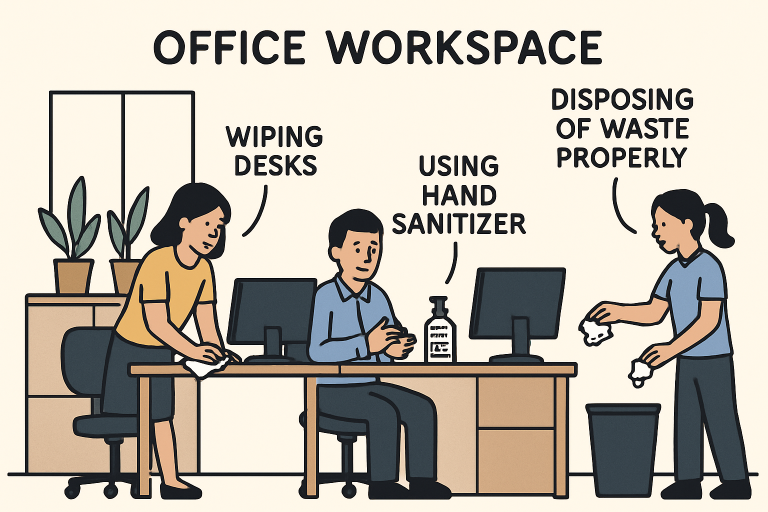
To maintain a hygienic environment, implement a layered approach that includes daily disinfection of high-touch surfaces, regular deep-cleaning sessions after work hours, stocking shared spaces with sanitizing wipes and hand gel, rotating cleaning duties, and following proper waste disposal and recycling protocols. Provide staff with daily or weekly cleaning checklists to clarify expectations and distribute duties evenly. These systems foster accountability and ensure no area is overlooked, ensuring a clean and hygienic environment.
Small Habits for Employees That Make a Big Difference
Every employee can play a critical role in maintaining workplace health. Practical habits include regularly cleaning personal desk areas, using disinfectant wipes on shared equipment like copiers or phones, and keeping touchscreens germ-free. Hand hygiene is especially vital; encourage washing hands before and after meetings or communal meals. In their workplace cleaning and hygiene guide, the CDC emphasizes the importance of empowering employees with both knowledge and resources. Easily accessible supplies—such as tissues, sanitizer, and wipes—make it simple for everyone to contribute to a healthier space.
The Shift Toward Green Cleaning Products
Eco-friendly cleaning has gained momentum due to growing concerns over chemical exposure and indoor air quality. Green cleaning products, made from plant-based ingredients and biodegradable formulas, are less likely to irritate sensitive employees and are better for the environment. They also support organizational sustainability goals.
However, green products may sometimes require slightly more effort or repeated applications to achieve the same results as traditional chemicals. Balancing environmental responsibility with the need for thorough sanitation is key. For facility managers, EPA resources are invaluable for identifying certified green cleaners that align with both safety and efficacy needs.
When and Why to Call Professionals
While day-to-day maintenance can be handled in-house, certain situations demand expert intervention. Outbreaks of infectious illness, post-construction cleaning, and compliance with health and safety regulations in medical or industrial environments all require advanced techniques and equipment. Trained professionals follow strict protocols, use hospital-grade disinfectants, and can develop custom schedules for businesses with unique needs. They stay up-to-date on the best practices and safety standards, providing peace of mind for leadership and employees alike.
Building a Culture of Cleanliness: Leadership Involvement
Leadership sets the tone for workplace hygiene. When management prioritizes cleanliness, invests in training, and communicates clearly, employees are far more likely to adopt and sustain healthy habits. Policies can include regular reminders, clearly posted guidelines, and frequent recognition of teams or individuals who demonstrate best practices.
Regular workshops or seminars about cleaning procedures, updates on new products, and an open channel for employee feedback all reinforce the culture of health and safety. A strong cleaning culture not only reduces illness rates but also strengthens workplace community and pride.
Looking Ahead: The Future of Healthy Work Environments
Advances in smart cleaning technology—such as sensor-equipped dispensers, automated UV disinfection, and IoT-linked cleaning robots—are poised to transform commercial hygiene. Facility design is also evolving, with increased ventilation, touch-free bathroom fixtures, and flexible work zones all contributing to safer, healthier offices.
Maintaining clean workplaces is a continuous, collective effort. As norms, technologies, and science evolve, staying committed to health-focused cleaning strategies can help organizations thrive. Prioritizing cleanliness is not only a matter of current health—it’s an investment in the long-term success, reputation, and resilience of any organization.