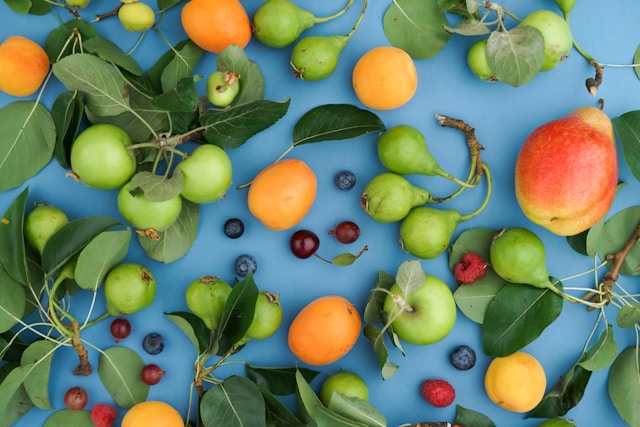
Introduction to Seasonal Eating
Consuming fruits and vegetables that are naturally ripe and gathered at particular periods of the year is known as eating seasonal produce. This approach has several health and environmental advantages in addition to improving the flavor of your food. For instance, enjoying a fresh produce Medley, FL in season ensures that you are eating items at their peak nutrient levels, offering a burst of flavor and healthfulness.
Seasonal eating connects you to the earth’s natural rhythms, allowing you to enjoy the freshest produce available. It encourages a more varied diet throughout the year, which can be both exciting and beneficial for your health.
Nutritional Benefits
Seasonal food is picked when it is at its ripest to preserve its highest nutritional content. Summer fruits, such as tomatoes and berries, are rich in vitamins and other important minerals. Research published by the National Institutes of Health shows that fruits and vegetables lose nutrients over time; hence, consuming them shortly after harvest maximizes their health benefits.
Furthermore, seasonal produce is often grown closer to home, reducing the need for preservatives and artificial ripening agents that can diminish their nutrient levels.
Environmental Benefits
Choosing seasonal produce supports the environment by reducing the carbon footprint associated with food production and transportation. Locally grown, seasonal fruits and vegetables require less energy for transportation and storage. This reduction in carbon emissions helps combat climate change and preserves natural resources.
Moreover, seasonal farming practices are typically more sustainable. By rotating crops and following natural growth cycles, farmers can maintain soil health and reduce the need for chemical fertilizers and pesticides.
Economic Impact
Buying seasonal produce can support your local economy by patronizing local farmers and markets. This keeps the money within the community, fostering economic resilience and providing farmers with the financial support needed to maintain sustainable practices.
Additionally, seasonal produce is often more affordable due to its abundance. When fruits and vegetables are in season, they are harvested in larger quantities, which can reduce costs for farmers and consumers.
How to Choose Seasonal Produce
Selecting seasonal produce involves paying attention to what fruits and vegetables are in their prime at different times. Visiting local farmers’ markets and subscribing to seasonal produce guides can help you stay informed about the current season.
Engaging with local farmers and asking about their harvest can also provide valuable insights into the best seasonal choices. Many online resources and apps can offer personalized recommendations based on your location and the current season.
Conclusion
Eating seasonal fresh produce offers numerous nutritional, environmental, and economic benefits. By incorporating a variety of seasonal fruits and vegetables into your diet, you can enjoy flavorful, healthy, and sustainable meals. Embrace the natural rhythms of nature and support your local community by choosing seasonal produce whenever possible.