Key Takeaways
- Smoke testing is a crucial technique in maintaining pipeline integrity and safety.
- Using smoke testing can drastically reduce maintenance costs.
- Seamless integration of smoke testing in pipeline inspections aids in preemptive damage control.
Table of Contents
- Introduction to Smoke Testing
- Why Smoke Testing is Essential for Pipelines
- Understanding the Process of Smoke Testing
- Benefits of Regular Smoke Testing
- Challenges and Considerations in Smoke Testing
- How Smoke Testing Integrates with Other Inspection Methods
- Real-World Applications and Case Studies
- Future Trends in Pipeline Inspection and Maintenance
Introduction to Smoke Testing
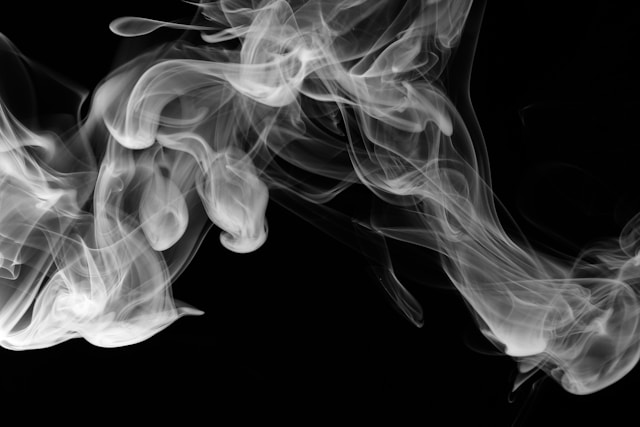
Pipeline safety and functionality are paramount in infrastructure maintenance. Smoke testing has emerged as an indispensable method for identifying pipeline issues without causing significant disruptions. Implementing a sewer smoke test allows maintenance workers to effortlessly detect leaks and system weaknesses. This process involves injecting non-toxic smoke into the pipeline network and observing its escape points, which signal potential vulnerabilities such as fissures or faulty seals.
This technique capitalizes on its simplicity and cost-effectiveness, making it a favored choice for municipalities and industries aiming to maintain and operate their pipeline networks efficiently. Compared to other invasive methods, smoke testing is a rapid way to diagnose potential problems, ensuring that preventive measures can be swiftly enacted.
Why Smoke Testing is Essential for Pipelines
Pipeline systems often form the backbone of numerous infrastructure systems, carrying resources like water, fuel, and waste materials. Over time, these systems are prone to wear and tear that can result in leaks or compromised integrity. Such issues can escalate into major environmental hazards without regular maintenance checks and incur significant repair costs. The strategic adoption of smoke testing facilitates early detection of leaks, thus mitigating these risks. Operators can extend the lifespan of pipeline infrastructures by quickly identifying and addressing issues, which helps to maintain uninterrupted operations and protect the environment.
Understanding the Process of Smoke Testing
Executing a smoke test begins by isolating specific pipeline sections for examination. Smoke is introduced into the system using controlled pressure, and any escape points are carefully observed and documented. This part of the process is critical, as exiting smoke marks the locations of weaknesses or damaged sections. The immediacy of the feedback allows for real-time decision-making and can significantly expedite the repair process.
Additionally, smoke testing can serve as an invaluable educational tool. By visualizing the points of failure, maintenance teams can better understand the system’s vulnerabilities and take proactive measures during routine maintenance checks.
Benefits of Regular Smoke Testing
- Cost Savings: Catching issues early allows for less expensive repairs before they widen.
- Improved Safety: Early detection reduces the risk of hazardous material leaks or infrastructure failures.
- Legal Compliance: Regular assessments help ensure compliance with environmental safety regulations, preventing fines and legal repercussions.
The overarching benefit of regular smoke tests is the long-term savings they can afford by avoiding catastrophic failures associated with neglected maintenance.
Challenges and Considerations in Smoke Testing
While smoke testing is highly effective, it has challenges. One primary consideration is proper smoke pressure; too much or too little can skew the results and affect the test’s accuracy. Weather conditions, particularly wind and rain, may disperse the smoke or hinder its visibility, making it harder to pinpoint leaks accurately. Another potential issue is the smoke’s appearance above ground in areas not associated with the pipeline, leading to incorrect assumptions or panic among observers. Educating the community about the harmless nature of the smoke before testing is essential to avoiding such misunderstandings and ensuring successful communication and outcomes from the test.
How Smoke Testing Integrates with Other Inspection Methods
Smoke testing is often employed with advanced inspection technologies to enhance its effectiveness. Smoke testing can provide a comprehensive picture of pipeline health by integrating AI-driven analytics and remote sensing data. These technologies corroborate the findings from smoke tests, offering valuable insights that can guide maintenance decisions. For instance, while smoke tests locate current leaks, AI analytics can help forecast potential future issues by interpreting data trends and historical maintenance records.
Real-World Applications and Case Studies
Industries globally have recognized and harnessed the power of smoke testing to safeguard their pipeline infrastructures. Numerous urban centers have successfully employed smoke testing programs in their routine maintenance schedules, enhancing resilience against potential disasters. These applications demonstrate the role of smoke testing in reducing maintenance backlogs and improving overall pipeline reliability.
Future Trends in Pipeline Inspection and Maintenance
The future of pipeline inspection is promising as technological advancements refine and enhance testing techniques. Smoke testing is expected to evolve with the integration of more sophisticated automation and real-time data analysis, leading to quick and accurate identification of pipeline issues. The ongoing development and incorporation of smart sensors and predictive maintenance strategies will likely increase the efficiency and effectiveness of these maintenance processes, ensuring pipelines are kept in optimum condition with minimal downtime.