Key Takeaways:
- Modern siding materials offer increased durability, energy efficiency, and aesthetic appeal.
- Maintenance considerations are crucial for long-term benefits from siding investments.
- The development of siding materials is increasingly focusing on environmental sustainability.
Table of Contents:
- Introduction to Modern Siding Solutions
- Types of Siding Materials
- Benefits of Choosing Modern Siding
- Energy Efficiency and Cost Savings
- Maintenance and Longevity
- Environmental Impacts and Sustainability
- Frequently Asked Questions
- Conclusion
Introduction to Modern Siding Solutions
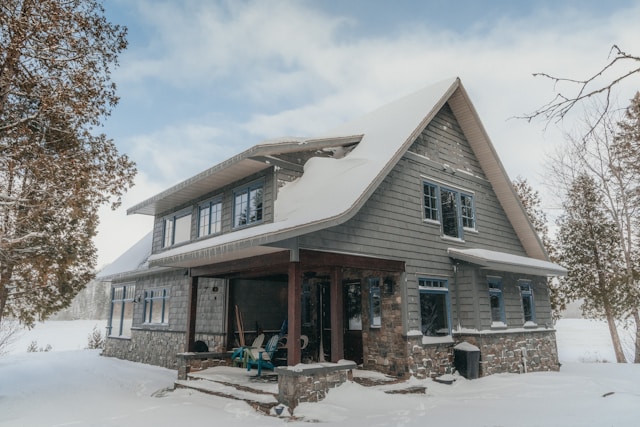
Enhancing a home’s exterior involves critical decisions, including selecting the proper siding. It’s more than a superficial cover; siding is the home’s armor against the elements. Over the years, siding options have expanded and improved significantly, presenting homeowners with numerous possibilities that blend practicality with aesthetics. The surge in popularity of options like vinyl siding Laurel MD, attests to this evolution, as vinyl offers durability and flexible design choices.
Modern siding elevates a home’s appearance and performance. With options tailored to increase protection against extreme weather while enhancing thermal efficiency, the benefits of modern materials are making waves in the construction sector. This evolution has introduced diverse materials with unique qualities, allowing homeowners to find options that cater to their aesthetic preferences and practical needs.
Types of Siding Materials
Vinyl
Vinyl siding has become synonymous with affordability and ease of maintenance. Available in various colors and textures, it mimics traditional wood and contemporary stucco finishes with striking realism. Homeowners appreciate vinyl’s resilience, as it requires minimal upkeep—a simple wash now and then will usually suffice to keep it looking new.
Fiber Cement
Fiber cement siding combines beauty and brawn. It replicates the appearance of wood, eliminating worries of warping or rot that often plague natural wood. Its composition of sand, cement, and cellulose fibers makes it exceptionally hardy, standing up against harsh climatic conditions while needing less maintenance than wood.
Wood
Nothing beats the natural beauty and rich texture of wood siding. It offers unparalleled aesthetic pleasure in various styles, such as clapboard, shakes, and shingles. However, wood is a material that demands attention; regular sealing or painting is necessary to maintain its charm and to protect it from the elements and insects.
Metal
Metal siding exudes a modern, industrial vibe that appeals to many contemporary homeowners. Materials like aluminum and steel are incredibly robust, fire-resistant, and require little maintenance. Over time, the development of new coatings has reduced the risk of rust, expanding its longevity significantly.
Benefits of Choosing Modern Siding
Opting for modern siding is about more than surface appeal. Many property owners choose these solutions for their ability to withstand environmental elements, thereby prolonging the life of their homes. The incredible variety of finishes and textures available today are just as important, capable of turning an average residence into a visual masterpiece.
These materials offer more than a pretty facade, however. They provide comprehensive coverage, bolster structural integrity, and offer a first line of defense against inclement weather. From insulating a home against heat loss in winter to providing a cooling barrier in summer, modern siding helps maintain a stable, controlled indoor environment.
Energy Efficiency and Cost Savings
With energy prices continually on the rise, improving a home’s energy efficiency has never been more appealing. Modern siding materials like insulated vinyl help reduce heat transfer in and out of the house, which is essential for lowering heating and cooling costs. According to energy experts, thoughtfully selected siding can act as an additional insulation layer, directly impacting energy consumption and promoting savings on utility bills.
Beyond reducing bills, energy-efficient siding contributes to a more sustainable lifestyle by lowering carbon footprints. In addition, many governments offer incentives and rebates for homeowners upgrading to energy-efficient building materials, providing financial motivation to make the switch.
Maintenance and Longevity
One significant consideration when choosing siding is its maintenance needs and longevity. Homeowners often lean towards options that offer the charm of wood without the high maintenance. Fiber cement, for instance, offers just that and can last decades if properly cared for. It challenges the elements without succumbing to the distortions seen in traditional materials.
Vinyl and metal sidings also demonstrate incredible endurance with minimal care. While each material has specific maintenance tips, overall, modern siding is constructed with longevity, allowing homeowners peace of mind knowing their investment stands the test of time.
Environmental Impacts and Sustainability
In recent years, there has been a marked shift towards sustainable, eco-friendly building materials to curb environmental impact. The siding industry is no exception. Many of today’s siding materials, such as fiber cement, use recycled content or sustainably sourced materials, illustrating a commitment to environmentally conscious manufacturing practices.
As reported by various industry insights, homeowners opting for sustainable siding choices contribute to a reduced environmental footprint, supporting cleaner, greener living spaces. The move toward sustainability reflects a growing consumer trend, making eco-friendly products increasingly popular.
Frequently Asked Questions
- How do I choose the right siding for my climate? It’s crucial to consider your local weather patterns—areas with high humidity might benefit from moisture-resistant options like fiber cement. In contrast, those with harsh sunlight might prefer UV-resistant siding.
- Can new siding increase my home’s value? Investing in new, high-quality siding can greatly enhance curb appeal, thus increasing the home’s market value. Prospective buyers often look for efficient, maintenance-free exteriors.
Conclusion
In conclusion, selecting the appropriate siding for your home includes weighing appearance, durability, and energy-saving qualities. Modern siding offers numerous benefits that can transform not just the look of a house but its efficiency and longevity. With sustainability becoming more significant, these products serve immediate household needs and contribute positively to broader environmental goals. Such thoughtful, forward-thinking choices ensure that your home remains a source of pride and efficiency for years.