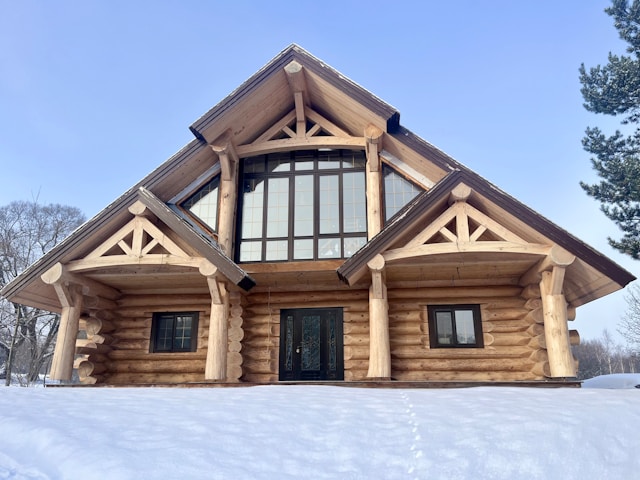
Key Takeaways:
- Moisture can lead to severe structural damage and decay in log homes.
- Understanding moisture sources is essential for effective prevention.
- Implementing protective measures prolongs the life and beauty of logs.
Table of Contents:
- Introduction
- Understanding Moisture Sources
- Effects of Moisture on Log Homes
- Preventative Measures and Sealants
- The Role of Design and Construction
- Routine Inspection and Maintenance
- Conclusion
Introduction
Log homes remain a symbol of rustic elegance, capturing the imagination with their connection to nature and traditional aesthetics. However, the wooden structures that make these homes so appealing expose them to vulnerabilities—most notably, moisture. Moisture is a relentless adversary of wood, potentially leading to significant issues such as rot, mold, and weakening of the structural integrity. Protecting your logs from moisture preserves the aesthetic appeal and is crucial for safety and longevity.
This comprehensive guide explores the importance of moisture protection for log homes. It delves into understanding moisture sources, the detrimental effects of unchecked moisture, and various methods to shield your treasured log home from these threats. Implementing the right strategies ensures that log homes continue providing beauty and comfort for years.
Understanding Moisture Sources
To guard against moisture effectively, it’s essential first to understand where it comes from. External factors such as rainfall, snow, and ground moisture threaten the outer structure, leading to water infiltration into the wood. In contrast, internal sources—like plumbing leaks or condensation due to inefficient insulation—can introduce moisture within the home’s interior. Awareness of these sources allows for targeted protection strategies.
Moreover, environmental conditions like local humidity levels can also impact moisture accumulation. For instance, homes in high-humidity regions require more robust moisture barriers than those in arid climates. Being mindful of choices such as log cabin interior paint colors Breckenridge CO plays a role in this, as selecting paints and finishes that repel moisture and withstand humidity effectively forms part of the overall moisture management plan.
Effects of Moisture on Log Homes
The ramifications of unchecked moisture on log homes can be profound and far-reaching. When moisture permeates wood, it disrupts the cellular structure, leading to expansion and contraction cycles that cause cracking. Over time, this diminishes the aesthetic value of the log and weakens its structural integrity, posing safety risks. Moisture promotes the growth of mold and mildew, which can spread rapidly, degrading the wood and fostering an unhealthy indoor environment that can affect respiratory health.
Furthermore, moisture can heavily impact the home’s energy efficiency. Wet logs lose their insulative properties, allowing heat to escape during winter and enter in summer. This results in increased energy consumption and higher utility bills. The importance of addressing these moisture-related problems cannot be overstated, as they affect both the log home’s longevity and the well-being of its occupants.
Preventative Measures and Sealants
Implementing preventative measures is the linchpin in the battle against moisture. Sealants should be prioritized as these provide an essential barrier against water ingress. Selecting the proper sealant requires considering your log type, regional climate, and any previous treatments. It’s vital to choose high-quality sealants designed to last and withstand various environmental conditions, regularly using them to fend off moisture effectively.
Apart from sealants, investing in protective architecture such as wide roof overhangs shields logs from direct rain exposure. Maintaining efficient gutter systems and surface drainage also directs water away from the home structure, reducing saturation risks. Employing such measures fortifies defenses against moisture and enhances the overall durability of the log home.
The Role of Design and Construction
The initial steps taken during the design and construction phase can significantly influence a log home’s susceptibility to moisture. Choosing a well-drained location, ideally on an elevation, reduces the risk of water accumulation around the foundation. Incorporating features that prevent water collection, such as adequately graded landscapes and drainage trenches, can further manage moisture levels.
Advances in construction techniques offer additional protection. Utilizing breathable membranes allows logs to expel trapped moisture while preventing further water penetration. Ensuring that log joins are well-formed and that high-quality, rot-resistant materials are selected provides an extra layer of security against moisture-related complications. Planning from the outset to prevent potential moisture exposure helps maintain the home’s integrity and visual appeal over time.
Routine Inspection and Maintenance
Ongoing vigilance through inspections and maintenance forms the final pillar of protection against moisture for log homes. Regularly checking for signs of moisture intrusion—such as water stains, soft spots, or discoloration—enables early detection and repair of damage before it escalates into more severe issues. Prompt attention to these indicators is crucial for maintaining the structural soundness and beauty of the logs.
In addition to visual inspections, maintaining a clean perimeter around the home helps. Removing dense vegetation and debris ensures no obstruction to natural evaporation, a critical process that mitigates moisture retention. Consistent maintenance and corrective actions form an enduring shield that protects log homes against the relentless challenges of moisture.
Conclusion
Protecting log homes from moisture is not just about preserving their rustic charm—it’s vital for ensuring these beloved dwellings’ safety, comfort, and longevity. By understanding the diverse sources of moisture and taking comprehensive preventative steps, homeowners can confidently safeguard their logs. Coupling this understanding with proper design, construction elements, and ongoing maintenance creates a fortress against moisture, allowing log homes to offer enduring warmth and beauty.
The moisture protection commitment reflects a respect for traditional craftsmanship and a forward-thinking approach to home preservation. It ensures these residences provide inviting and wholesome living environments for current and future generations, encapsulating the perfect balance of nature and nurture.