Key Takeaways
- Regular inspections and minor repairs can prevent costly roof replacements.
- Proper ventilation and insulation are crucial for extending the life of your roof.
- Timely gutter maintenance helps avoid water damage and structural issues.
- Choosing suitable roofing materials impacts the longevity and durability of your roof.
- Professional assessments can identify hidden problems early.
The Importance of Regular Roof Inspections
Maintaining a durable roof calls for regular inspections to identify and address minor issues before they escalate. These inspections can uncover common problems, such as leaks, cracks, or damaged shingles. By closely examining the roof, homeowners can identify minor issues early and carry out necessary repairs before they develop into larger, costlier problems. A comprehensive inspection should be done twice yearly—in the spring and fall—to ensure the roof remains in optimal condition. Additionally, post-storm inspections can help identify wind or hail damage.
Proper Ventilation and Insulation
Ensuring your roof has proper ventilation and insulation extends its lifespan. Adequate ventilation helps reduce moisture buildup under the roof, which can lead to mold growth and structural damage over time. It allows excess heat and moisture to escape, keeping the attic temperature close to the outside temperature. This effort can also help determine if you need more specific materials, like asphalt shingles Miami FL. Additionally, appropriate insulation maintains temperature regulation within your home, helping prevent ice dams in colder climates and reducing cooling costs in warmer climates. Well-ventilated and insulated roofs can thus avert both condensation issues and excessive energy costs. The combined effect preserves the integrity of roofing materials, prolonging their durability.
Gutter Maintenance
Gutter maintenance is often overlooked but is vital in prolonging the life of your roof. Clean gutters facilitate proper water drainage and prevent water from seeping under the roof and causing damage. Regularly clearing your gutters of leaves, twigs, and other debris ensures that water flows freely and doesn’t pool on your roof or near your foundation. Properly functioning gutters prevent water damage, staining, and the growth of mold and mildew, which can compromise your home’s structural integrity. It’s advisable to clean your gutters at least twice a year or more frequently if you have trees overhanging your roof. This small preventive measure can save you from extensive water damage and the costly repairs that come with it.
Choosing the Right Roofing Materials
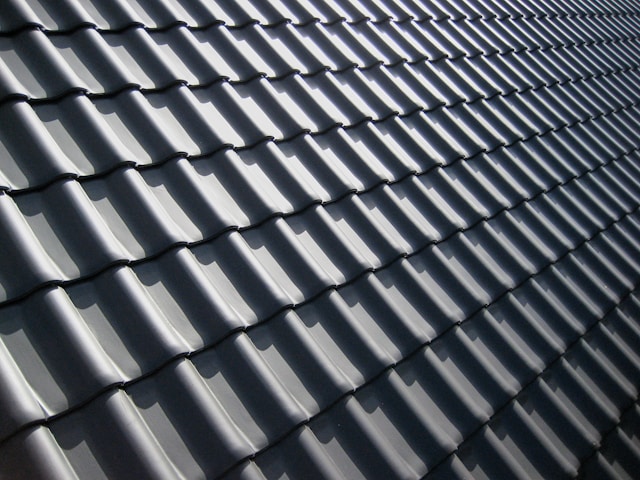
The materials you choose for your roof significantly impact its durability and lifespan. Each material comes with its own set of advantages and drawbacks. For example, asphalt shingles are famous for their affordability and ease of installation, while metal roofing is known for its longevity and resistance to extreme weather conditions. Although aesthetically pleasing and highly durable, clay tiles may only be suitable for some roof structures due to their weight. When selecting roofing materials, it’s essential to consider your local climate, such as susceptibility to hail or hurricanes, and your home’s architectural style. Moreover, energy-efficient materials can lower your home’s overall energy consumption.
Timely Repairs and Maintenance
Addressing minor repairs as soon as they arise can save you from costly replacements. Small issues like a missing shingle or minor leaks can quickly develop into more significant problems if left unattended. Scheduling regular maintenance checks can identify such issues early, ensuring they are dealt with promptly. For instance, replacing a few damaged shingles immediately after a storm can prevent leaks and water damage, which could lead to extensive roof repairs or even a complete roof replacement if ignored. This proactive approach can vastly extend the lifespan of your roofing system, maintaining its appearance and functionality over the years.
Weather-Related Considerations
Weather can significantly affect the condition of your roof. Various weather conditions, from heavy snowfall to intense sun, cause wear and tear on your roofing materials. In regions prone to heavy snowfall, snow and ice can accumulate on the roof, leading to ice dams that can cause leaks. Conversely, in areas with intense sunlight, UV rays can deteriorate the roofing materials over time. Using weather-resistant materials and performing regular seasonal maintenance activities, like clearing snow or applying UV-protective coatings, can help mitigate the impact of extreme weather on your roof. Understanding the typical weather patterns in your area and preparing your roof accordingly will help it withstand these conditions better.
Professional Roof Assessments
While regular self-inspections are beneficial, nothing beats a professional assessment. Roofing experts can identify hidden issues and advise you on maintaining your roof. Professional roofers are trained to spot problems that untrained eyes might miss, such as subtle signs of water damage, minor leaks, or early deterioration of roofing materials. They can also recommend improvements or repairs to enhance the roof’s longevity. Consider scheduling a professional assessment annually or after significant weather events to ensure your roof remains in top condition and promptly address issues before they escalate.
DIY vs. Professional Maintenance
Homeowners can handle minor maintenance tasks, such as clearing and repairing gutters. Simple and routine tasks don’t usually require professional expertise and can be done safely with the right tools and diligence. However, hiring professionals for more complex tasks can ensure the job is done correctly and safely. Roofing professionals have the necessary skills, experience, and safety equipment to handle significant repairs or replacements. Weigh the pros and cons of DIY vs professional maintenance to decide what’s best for your roof. While DIY projects can save money upfront, professional maintenance ensures thorough and accurate work, potentially saving you money in the long term by avoiding improper repairs that could lead to more significant issues.